
See you at ISSTD in Toronto!
Abstract
This clinical presentation introduces Pathological Demand Avoidance (PDA) as a potential pathway to trauma-related and dissociative experiences in the absence of discrete, identifiable traumatic events. While traditional trauma models emphasize acute or chronic external stressors, emerging research highlights the role of persistent perceived threat, loss of control, and relational misattunement in shaping trauma responses. This presentation proposes that for individuals with PDA, everyday demands may be experienced as chronic threat, resulting in sustained nervous system activation over time.
PDA, conceptualized within neurodivergent frameworks, is characterized by an extreme sensitivity to demands and a corresponding drive to preserve autonomy. This presentation explores how repeated exposure to ordinary expectations—within caregiving, educational, and clinical environments—may be neurobiologically processed as coercive or overwhelming. Over time, these experiences may contribute to alterations in affect regulation, identity integration, and consciousness, including dissociative processes.
Drawing on trauma theory, polyvagal-informed perspectives, and clinical observations, this presentation examines how demand-related distress may function as a cumulative, non-event-based trauma pathway. Particular attention will be given to the role of neuroception in detecting threat in the absence of overt danger, as well as the impact of chronic relational misattunement when PDA behaviors are misunderstood or pathologized. These dynamics may increase vulnerability to shame, fragmentation, and defensive dissociation.
The presentation will also consider sociocultural pressures toward compliance and productivity, which may intensify the mismatch between neurobiology and environment for PDA individuals. Clinical implications will include identifying dissociative presentations in this population, differentiating adaptive demand avoidance from oppositionality, and reducing iatrogenic harm in treatment.
Attendees will be introduced to neurodivergent-affirming, trauma-informed interventions aimed at reducing perceived demand, restoring agency, and fostering relational safety in clinical work.
Target Audience
Intermediate
Learning Objectives
At the conclusion of this session, participants will be able to:
Identify core characteristics of Pathological Demand Avoidance (PDA) and their relationship to trauma-related and dissociative presentations
Explain how chronic exposure to everyday demands may be experienced as persistent threat and contribute to trauma-related symptomatology in PDA individuals
Analyze the role of perceived loss of autonomy and relational misattunement in the development of dissociative processes
Apply neurodivergent-affirming and trauma-informed strategies to reduce perceived demand and increase relational safety in clinical practice
Assess potential sources of iatrogenic harm in traditional therapeutic approaches when working with PDA clients and adapt interventions accordingly


Montgomery County Public Schools
I’m looking forward to presenting to Montgomery County Public Schools on supporting PDA learners while also providing a critical examination of what happens for individuals and systems when we do not.


When PDA Carries So Much Shame That Even Neurodivergent Clinicians Struggle to Name It
The Shame That Still Surrounds PDA—Even Among Neurodivergent Clinicians
In neurodivergent spaces, there is often a sense of relief when someone finally names their experience.
People talk about ADHD and feel understood.
Autistic adults share stories of unmasking.
Clinicians discuss sensory needs, burnout, special interests, executive functioning, and the lifelong labor of navigating systems that were not built for our brains.
There is often pride in these conversations. Community. Recognition.
But there is one neurodivergent profile that still seems to land differently in the room.
PDA.

PDA, Sex, and the Nervous System: Why Desire Shuts Down When Autonomy Disappears
PDA isn’t anti-sex.
It’s anti-coercion.
Autonomy is the aphrodisiac.
Therapy Is Political: Why Former Changemakers Make Powerful Therapists
Therapy is never neutral. Learn why therapy is inherently political and how former changemakers make deeply effective, justice-oriented therapists—especially for neurodivergent, queer, and marginalized clients.
Humblebrag: Board President, PDA North America
I’m deeply honored to step into the role of President of the Board at PDA North America

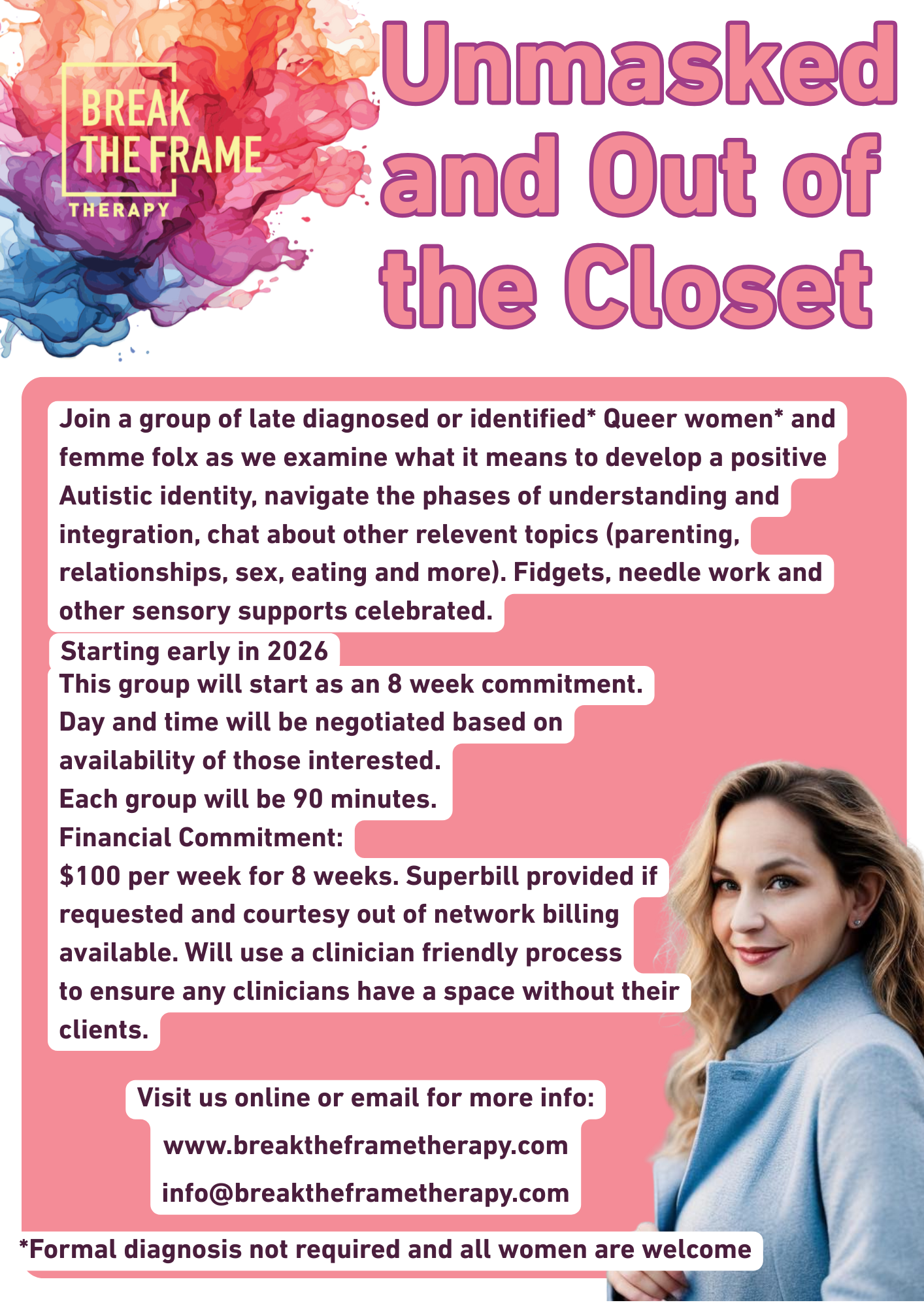
New Group: Unmasked and Out Of The Closet
Unmasked and Out of the Closet
A Therapy Group for Late-Diagnosed or Self-Identified Autistic Queer Women & Femme Folks
Unmasked and Out of the Closet is an 8-week virtual therapy group offered by Break The Frame Therapy for late-diagnosed or self-identified autistic queer women and femme folks seeking community, understanding, and integration after discovering their neurodivergence later in life.
This neuroaffirming group therapy space is designed for adults who have spent years masking, adapting, and surviving in systems not built for autistic bodies and minds. Together, we explore what it means to develop a positive autistic identity, process grief and relief around late diagnosis, and integrate new self-understanding into relationships, parenting, work, and daily life.
Topics may include:
Late-diagnosed autism in women and femme folks
Unmasking and identity development
Autism and queerness
Relationships, intimacy, and communication
Parenting while autistic
Food, eating, and sensory experiences
Burnout, boundaries, and nervous system regulation
This group is sensory-friendly and neurodivergent-affirming. Fidgets, movement, needlework, stimming, and other sensory supports are welcomed and encouraged. The goal is not to “fix” autistic traits, but to reduce shame, increase self-trust, and build sustainable ways of living in alignment with your nervous system.
Group Details
8-week commitment
90-minute sessions
Starts early 2026
Day and time determined by participant availability
Cost: $100 per week
Superbill available for out-of-network reimbursement
A formal autism diagnosis is not required. This group is open to those who are self-identified, questioning, or newly diagnosed.
Unmasked and Out of the Closet is facilitated by Rachael Stern, LCSW, and reflects Break The Frame Therapy’s commitment to trauma-informed, anti-pathologizing, and liberatory mental health care for autistic and LGBTQIA+ adults in Washington DC, Maryland, and Virginia.
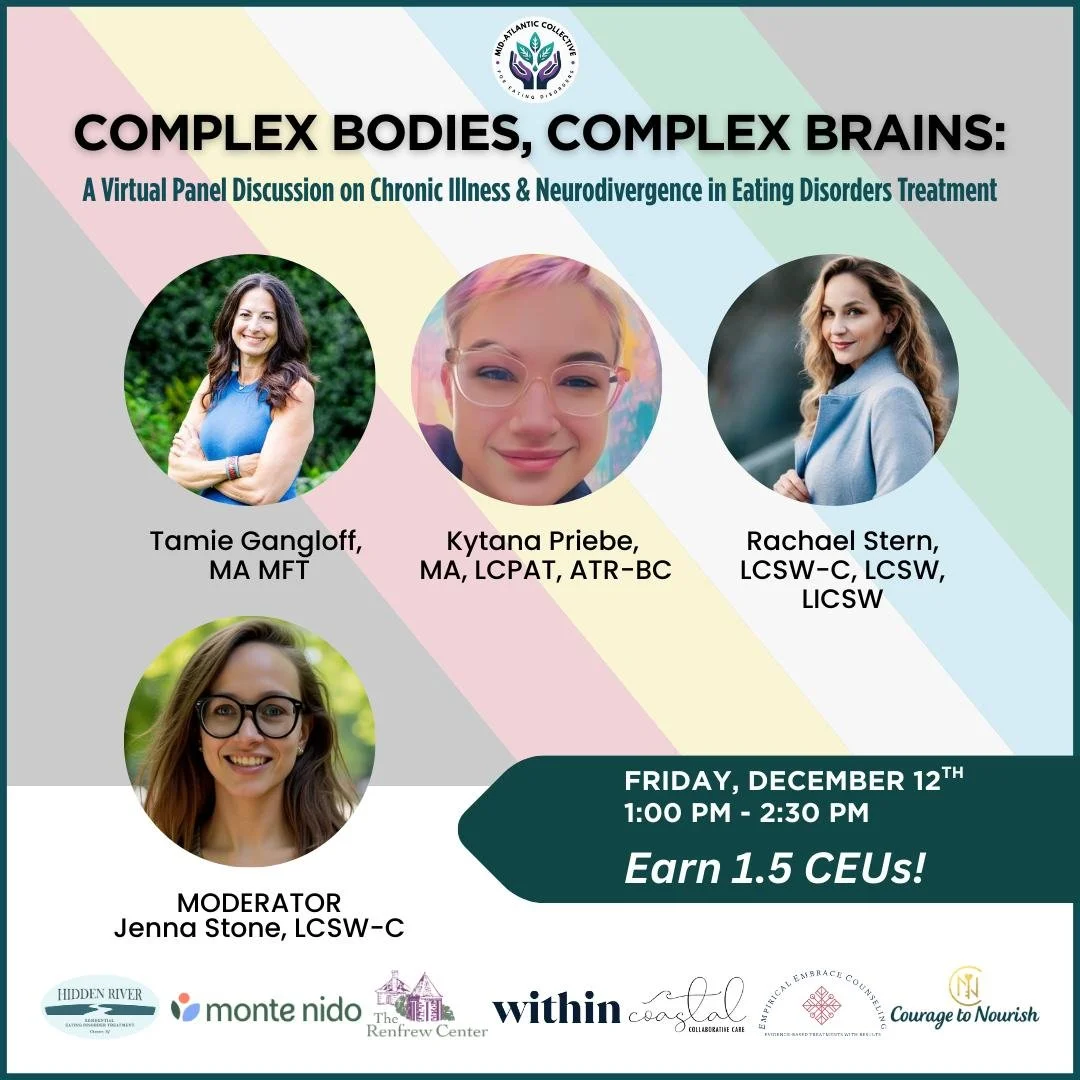
Complex Bodies, Complex Brains
So many clients get mislabeled as:
“resistant”
“avoidant”
“unmotivated”
“not trying”
“noncompliant”
Learn More and register here